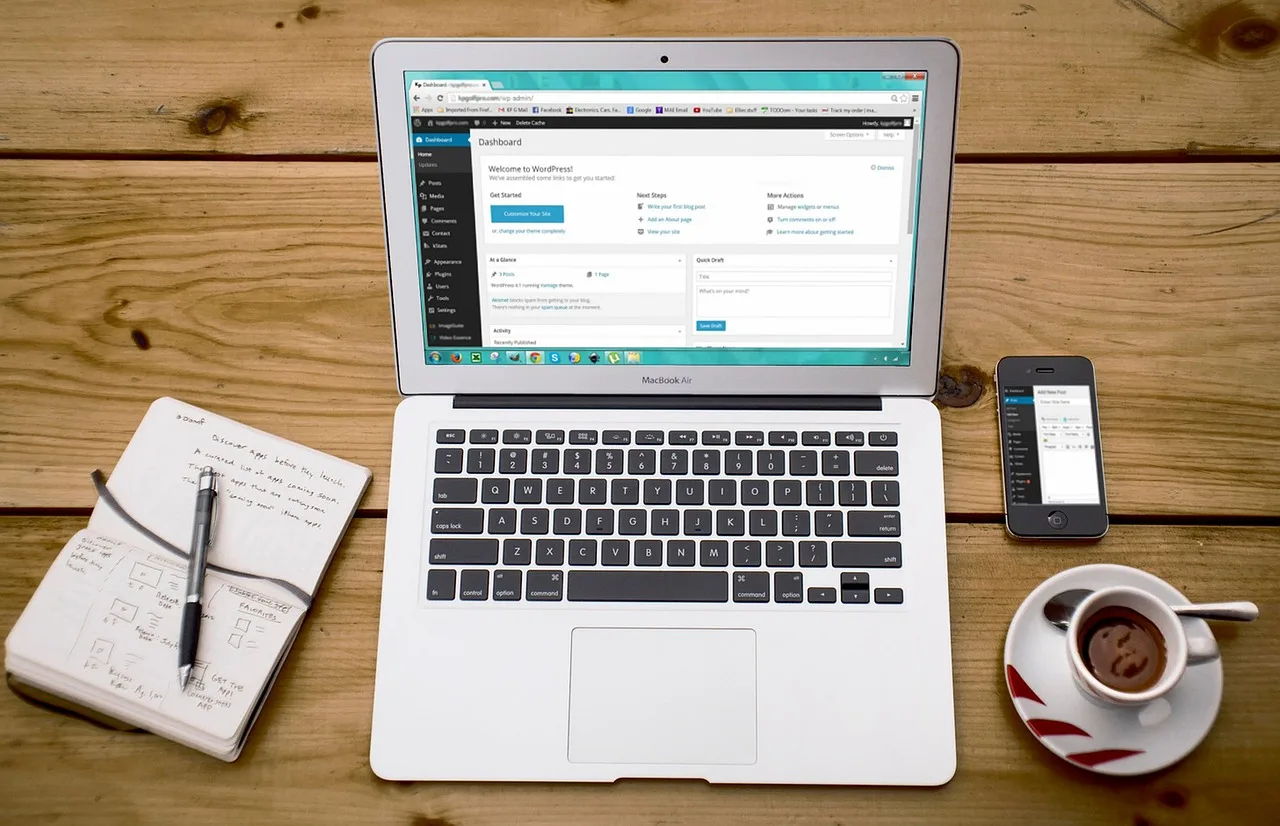
Creating and promoting web hosting affiliate programs for WordPress-based affiliate websites involves building a sustainable online business infrastructure that generates revenue through referral commissions. This process requires a strategic approach to niche publishing, SEO-optimized content workflows, and practical web hosting solutions tailored for affiliate marketers, bloggers, and small agencies. Unlike traditional e-commerce or service-based models, affiliate publishing relies on trust, authority, and long-term content performance—making the selection and promotion of web hosting programs a critical component of online business success.
For WordPress site owners, the focus should be on aligning hosting affiliate programs with audience needs, technical requirements, and SEO best practices. This means evaluating hosting providers based on performance, scalability, and affiliate support, while also structuring content and landing pages to convert organic and referral traffic into commissions. The goal is not just to drive clicks but to build a reliable income stream through well-researched, high-intent content that serves both search engines and human readers.
Why Web Hosting Affiliate Programs Are Practical for WordPress Publishers
Low Overhead, High Scalability
Affiliate marketing, particularly in the web hosting niche, requires minimal upfront investment compared to product creation or inventory management. WordPress publishers can leverage existing content assets—such as blogs, tutorials, or comparison guides—to promote hosting services without handling customer support, billing, or server administration. This model scales efficiently, as commissions are earned passively once content ranks and attracts consistent traffic.
Alignment with Audience Intent
Web hosting is a recurring need for anyone running a website, making it a high-intent niche. Affiliate publishers targeting WordPress users—whether beginners, developers, or small businesses—can create content that addresses pain points like site speed, security, or ease of use. By focusing on solutions rather than sales pitches, publishers build credibility while driving conversions through organic search and referral channels.
Recurring and High-Ticket Commissions
Many web hosting affiliate programs offer recurring commissions for subscription-based services, providing long-term revenue potential. Additionally, high-ticket hosting plans (e.g., managed WordPress hosting, VPS, or dedicated servers) often yield larger one-time payouts. This dual revenue structure—recurring plus high-value conversions—makes hosting a practical choice for affiliate websites aiming for sustainable income.
How to Select the Right Web Hosting Affiliate Programs for WordPress
What Criteria Should You Use to Evaluate Hosting Providers?
Not all web hosting affiliate programs are equal. Publishers should assess providers based on the following criteria to ensure alignment with their audience and business goals:
- Commission Structure: Compare one-time vs. recurring payouts, commission rates, and cookie durations. Recurring commissions are ideal for long-term revenue, while high one-time payouts may suit short-term campaigns.
- Product Quality: Promote hosting services that deliver on performance, uptime, and customer support. Poor-quality hosts lead to refunds, chargebacks, and reputational damage.
- Affiliate Support: Look for programs with dedicated affiliate managers, marketing resources (e.g., banners, landing pages), and transparent reporting tools.
- SEO-Friendliness: Hosting providers with fast servers, SSL certificates, and CDN integration help improve site performance, indirectly boosting SEO rankings for affiliate content.
- Niche Relevance: Choose hosts that specialize in WordPress or cater to specific audiences (e.g., e-commerce, agencies, or bloggers).
What Are the Risks of Promoting Low-Quality Hosting?
Affiliate publishers must prioritize trust and transparency. Promoting unreliable hosting providers can result in:
- High Refund Rates: Poor uptime or slow speeds lead to customer dissatisfaction and refund requests, reducing net commissions.
- Reputational Harm: Readers associate the publisher with subpar services, eroding credibility and long-term traffic.
- SEO Penalties: Search engines may deprioritize content linked to low-quality or spammy hosting providers, impacting organic rankings.
- Affiliate Account Termination: Some programs penalize publishers for high chargeback rates or fraudulent activity, even if unintentional.
How to Create SEO-Optimized Content for Web Hosting Affiliate Programs
What Types of Content Convert Best for Hosting Affiliates?
Effective affiliate content balances informational value with conversion potential. For web hosting, the following formats perform well:
- Comparison Guides: "Best WordPress Hosting for [Niche] in 2024" or "Shared vs. Managed Hosting: Which is Right for You?"
- Tutorials and How-To Articles: "How to Migrate Your WordPress Site to a New Host" or "Setting Up SSL on Your Hosting Account."
- Problem-Solving Posts: "Why Is My WordPress Site Slow? (And How to Fix It)" or "Common Hosting Errors and How to Troubleshoot Them."
- Landing Pages: Dedicated pages for specific hosting plans, optimized for high-intent keywords like "[Hosting Provider] Coupon" or "[Hosting Type] Discount."
- Case Studies: "How Switching to [Hosting Type] Improved My Site Speed by 50%."
How to Structure Content for Maximum SEO and Conversion Impact
To rank well and convert readers, follow these best practices:
- Keyword Research: Target long-tail, high-intent keywords (e.g., "best managed WordPress hosting for agencies") using tools like Google Keyword Planner, Ahrefs, or SEMrush. Avoid overly competitive terms unless you have domain authority.
- Semantic SEO: Include related terms (e.g., "uptime," "customer support," "scalability") to improve topical relevance and E-E-A-T (Experience, Expertise, Authoritativeness, Trustworthiness) signals.
- Content Depth: Aim for 1,500+ words for pillar content, covering all aspects of the topic (e.g., features, pricing, pros/cons, alternatives).
- Internal Linking: Link to related articles (e.g., hosting tutorials, SEO guides) to keep readers engaged and improve site architecture.
- Conversion Optimization: Place affiliate links naturally within the content, using clear CTAs (e.g., "Check Pricing" or "Get Started"). Avoid aggressive pop-ups or misleading claims.
- Technical SEO: Ensure fast page load times, mobile responsiveness, and schema markup (e.g., FAQ or review schema) to enhance visibility.
How to Promote Web Hosting Affiliate Programs Effectively
What Are the Best Channels for Driving Affiliate Traffic?
Diversifying traffic sources reduces reliance on any single channel and improves long-term stability:
- Organic Search: The primary source for sustainable traffic. Focus on evergreen content that ranks for years, not just short-term trends.
- Email Marketing: Build a subscriber list and nurture leads with hosting-related tips, tutorials, and exclusive offers.
- Social Media: Share snippets, infographics, or video tutorials on platforms like LinkedIn (for agencies), Twitter (for developers), or Pinterest (for bloggers).
- Paid Ads: Use Google Ads or Facebook Ads to target high-intent keywords (e.g., "best WordPress hosting") or lookalike audiences. Test small budgets before scaling.
- Forums and Communities: Engage in WordPress forums (e.g., WordPress.org, Reddit’s r/WordPress) or niche communities by providing value first, then linking to relevant content.
- Guest Posting: Contribute to authoritative sites in the web hosting or WordPress niche to build backlinks and drive referral traffic.
How to Build Trust and Authority in the Hosting Niche
Trust is the foundation of affiliate conversions. Publishers should:
- Disclose Affiliate Relationships: Clearly state that links are affiliate links (e.g., "This post contains affiliate links. We may earn a commission if you make a purchase.").
- Provide Honest Reviews: Highlight both pros and cons of hosting providers. Readers appreciate transparency and are more likely to convert when they trust the source.
- Use Real Data: Include uptime reports, speed test results, or customer testimonials to support claims. Avoid generic marketing language.
- Update Content Regularly: Hosting features, pricing, and performance change frequently. Update articles annually (or quarterly for high-traffic posts) to maintain accuracy.
- Engage with Readers: Respond to comments, emails, and social media inquiries to build a community around your content.
What Are the Key Takeaways?
- Web hosting affiliate programs are a practical revenue stream for WordPress publishers due to low overhead, high-intent audience alignment, and scalable commissions.
- Select hosting providers based on commission structure, product quality, affiliate support, and niche relevance to avoid reputational and financial risks.
- SEO-optimized content—such as comparison guides, tutorials, and problem-solving posts—drives organic traffic and conversions when structured for depth, relevance, and technical performance.
- Promote affiliate programs through diversified channels (organic search, email, social media, paid ads) while prioritizing trust, transparency, and long-term audience relationships.
- Regularly update content, disclose affiliate relationships, and use real data to build authority and improve conversion rates.
FAQ: Common Questions About Web Hosting Affiliate Programs
Can I Promote Multiple Web Hosting Affiliate Programs on One Website?
Yes, but with caution. Promoting multiple programs can provide readers with options, but it may also dilute your authority if the content appears biased or overly commercial. Focus on a primary program that aligns with your audience’s needs and use secondary programs as alternatives or comparisons. Ensure all content remains unbiased and data-driven.
How Long Does It Take to See Results from Hosting Affiliate Content?
Results vary based on factors like domain authority, content quality, and competition. New websites may take 6–12 months to rank for competitive keywords, while established sites with strong backlinks can see traffic within 3–6 months. Paid ads or